

If you’re looking to grow your website’s traffic, improve your search rankings, and convert more visitors into leads or customers, an effective SEO strategy is essential. One critical component of that strategy? SEO tags.
SEO tags are essential elements within a website's code that communicate a page's content to search engines and users, significantly impacting search engine optimization (SEO) performance. These tags, such as title tags and meta descriptions, are crucial for improving search rankings, driving traffic, and converting visitors. For example, title tags should be between 50-60 characters for best visibility, and meta descriptions should summarize content within 150-160 characters to encourage clicks. Robb Digital highlights that optimizing these tags, alongside heading and image alt tags, is vital for a website's success in search results.
Whether you’re looking for a digital marketing agency or exploring email marketing services in NJ, understanding the role of SEO tags will help you better collaborate with your marketing team and make smarter website decisions. In this post, we’ll explore the key types of SEO tags—what they are, why they matter, and how to use them effectively to boost your site’s visibility in search results.
Title Tags: The First Impression You Make in Search
Title tags are one of the most important on-page SEO elements. They tell both search engines and users what a specific page on your website is about. When a potential customer searches for a service like “NJ SEO company” or “email marketing agency NYC,” your title tag is often the first thing they’ll see in the search results.
To be effective:
-
Each page should have a unique title tags
-
Title tags should include relevant keywords, like “NJ SEO services” or “email marketing service NJ.”
-
Keep the length between 50–60 characters for best visibility.
Example Title Tag:
Email Marketing Agency NJ | Boost Your Open & Click Rates with Robb Digital
Learn more about how strategic SEO implementation can make a difference in your rankings.
Meta Description Tags: Convince Searchers to Click
While title tags help search engines understand your page, meta description tags are your chance to sell that page to users. These small snippets of text appear just below your title in search results. A well-written meta description can significantly increase your click-through rate.
Tips for writing great meta descriptions:
-
Summarize the content of the page clearly and concisely.
-
Include target keywords naturally—terms like “email marketing NYC” or “local SEO services NJ.”
-
Stay within 150–160 characters.
Example Meta Description:
Looking for a trusted email marketing agency in NYC? Robb Digital delivers ROI-driven campaigns for businesses of all sizes.
Want to see how optimized content can drive traffic? Explore our SEO case study to see real results.
Heading Tags: Organize and Prioritize Your Content
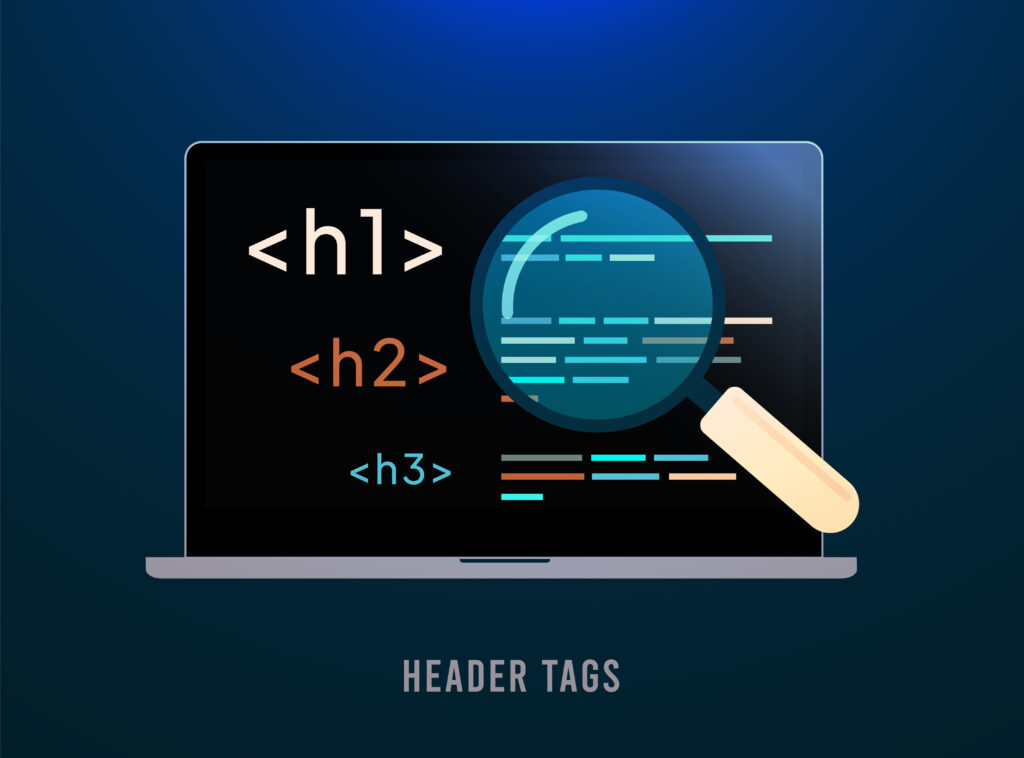
Heading tags (H1 through H6) are used to structure your content and improve readability. Search engines also use headings to understand the hierarchy of information on a page.
-
Your H1 should reflect the main topic of the page and contain your primary keyword.
-
H2s and H3s should break content into scannable sections, supporting SEO and user experience.
-
Use keywords strategically, not excessively.
Example Heading (H1):
Top NJ SEO Company Delivering Local and National Results
Looking to attract more patients or local clients? Check out our guide on local SEO for medical practices.
Image Alt Tags: Make Your Visual Content Work for SEO
Image optimization is often overlooked, but it’s a key piece of a comprehensive SEO strategy. Image alt tags describe an image to search engines and help your visuals appear in Google Image Search, which can drive additional traffic.
Best practices for image alt tags:
-
Use clear, descriptive language.
-
Naturally incorporate relevant keywords (e.g., “NJ digital marketing infographic” or “email marketing strategy chart”).
-
Avoid keyword stuffing.
Example Alt Text:
Email marketing agency NJ team collaborating on campaign strategy
Want to learn more about writing SEO content that aligns with Google’s best practices? Check out our guide to E-E-A-T and SEO.
Why SEO Tags Matter More Than Ever
Search engines like Google are continually evolving, but one thing remains consistent: structured, optimized SEO tags make a difference. They help your website stand out in search engine results pages (SERPs), improve user engagement, and provide clarity to both bots and humans.
If your business is located in New Jersey or New York and you’re seeking help with SEO or email marketing, partnering with an experienced team like Robb Digital can provide the expertise you need. As a trusted NJ SEO company and email marketing agency in NJ and NYC, we specialize in helping businesses improve visibility, generate leads, and grow online.
Contact Robb Digital to discuss your SEO needs!

